Rewards:
I encourage you to browse the website of the Frugal Travel Guy. On this page you will find how using credit cards can earn you free vacations, free hotel stays, airline flights, and so on. If you're into travelling, this is reason enough alone to begin building your credit. (And you can't do these things until you have some credit built up, so get started now!) If you're not into travel, having good credit will help you with car payments later in life, loans for a house, and maybe even a vacation home. Having great credit will save you money, and the best time to start is now! Steps are below.
Step 1: Find a Credit Card
You're probably getting tons of credit card offers in the mail from banks and stores who each offer their own loyalty cards and other places like that. But you need to do a little research before selecting your first credit card. Here are some qualifications you need to look for:
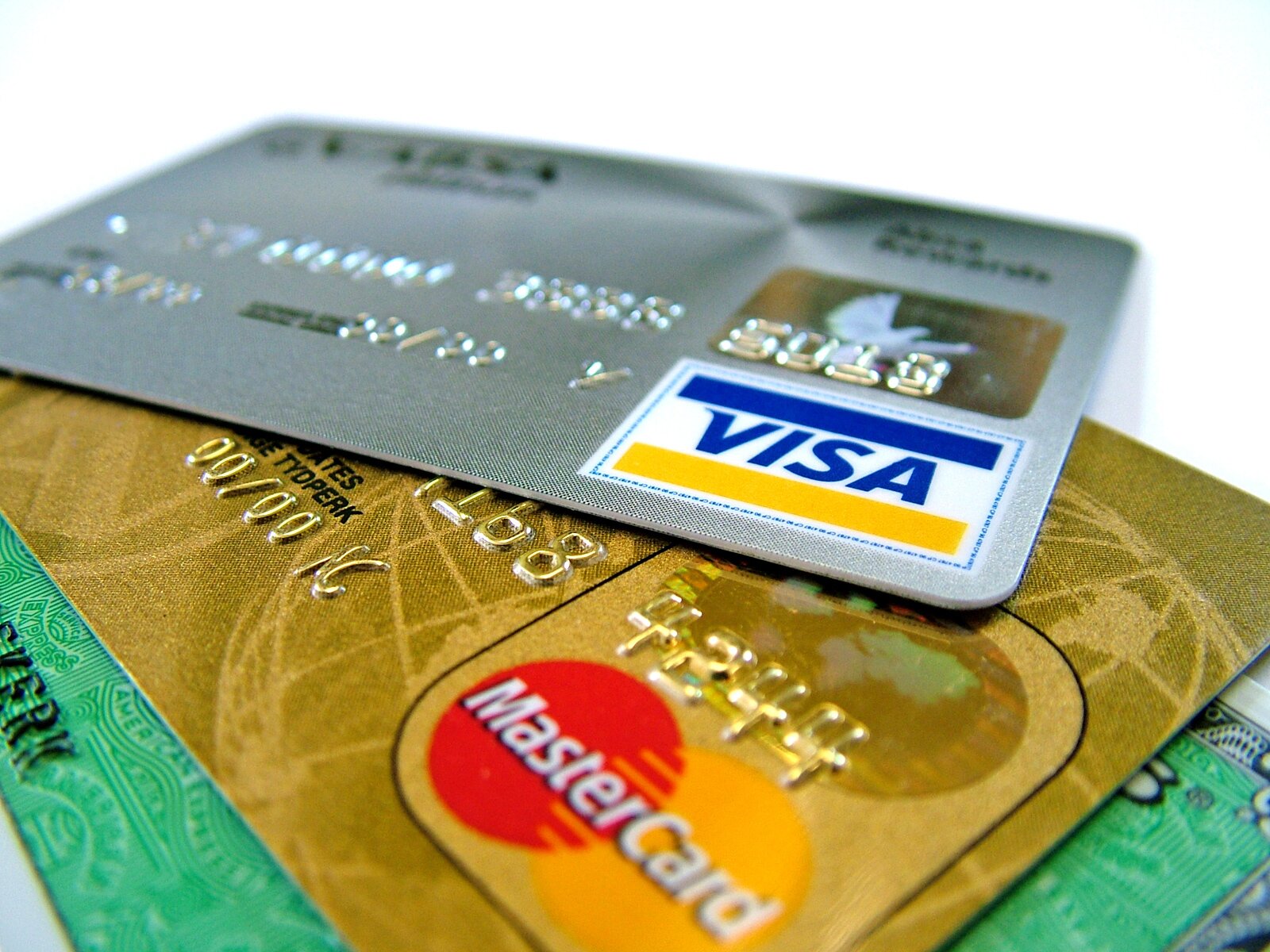
- Mastercard or Visa. Go with one of the big two for your first card. Yes, Discover and American Express are also pretty big, but sometimes there are places where they're not accepted, etc. I recommend MC or Visa.
- Make sure it has no annual fee. They'll try to trick you. "First year free!" they'll say. Guess what that means? Yep, you'll pay after that year. You say you'll close it after a year? Think again. Sure, you could close it, but as your oldest credit card, you'll want to keep that one open as long as possible (years).
- Avoid introductory APR's. The APR, or annual percentage rate, is how much you'll be charged for not making payments on time and in full, every time. If you always make your payments, this won't even matter. But a company that offers a 4-month 0% APR is out to trick you and is likely less trustworthy. That and the APR increases to 28% when those four months are over. But hopefully you'll be paying everything off so the APR won't matter, even if it is high.
- Automatic bill payment is a big plus, but not essential.
- Don't worry about rewards cards for your first card. You're interested in building credit.
My first card was a Capital One credit card, but you need to do your own research and find one that suits your needs. You can use sites like Credit Card Menu to try to find them, but don't forget to read the fine print!
Step 2: Start Charging and Paying
If this is your first card, you'll probably start with about a $500 credit limit. Don't go charging $500 right off the bat. It's actually best if you use no more than 30% of your available credit at any time, which for $500, is $150. Make sure to charge something to it every month, even if it's only $10. Also, PAY OFF YOUR CARD IN FULL EVERY MONTH. When you login to the site to see how much you owe, it will looks something like this:
Balance: $145.67
Minimum Payment: $25.00
Amount Due: $42.67
Credit Available: $354.33
Whoa! Why are there so many numbers? Which one do I pay? Let's go over what they mean.
Balance is the total amount that is owed on the card. In this case, you have $145.67 right now that you will eventually have to pay back.
Minimum payment is the minimum that is due this month. DO NOT pay this amount, as your credit score will go down. This is what the credit card companies want you to pay because this is how they get more of your money.
Amount due is how much of your balance is due this month. In this scenario, you have $42.67 that is due right now, which means the remainder of your balance will be on next month's bill.
Credit available is how much more credit you have. Your Credit Available plus your Balance will equal your credit limit. Remember to only spend 30% of your credit limit.
When you pay each month, always pay off at least the Amount due, if not the entire balance. I like to pay the entire balance every time, as it's easy to forget how much money you owe. But as long as you pay at least the amount due every month, you're on your way to building credit!
Step 3: Set Up Automatic Payments (optional)
If your bank that sponsors the card offers automatic payments, hook it up with your checking or savings account (don't have those? Wait for a future post!), and set it to pay off your amount due in full every month (most automatic payments will not pay the balance, only the amount due).
Step 4: Sign up for Credit Karma
Credit Karma is a website that monitors your credit score and shows you how you're doing. It also breaks down how your score is obtained so you can see if you do everything right. There's even an app for your phone so that you can check your credit score at any time. I highly recommend it.
Anyhow, you should now have enough information to apply for your first credit card. In about a year you can get a second one, but for now stick with what you have. Credit is a valuable tool, so be sure to pay your balance!

No comments:
Post a Comment